The Real Reason Cheap Tint Fades: What Every Car Owner Should Know
Window tint is one of the most popular upgrades for vehicle owners, offering improved comfort, privacy, and protection from the sun. However, not all window tint performs the same over time. Many drivers choose inexpensive tint options only to discover that the film fades, discolors, or turns purple far sooner than expected. Understanding why cheap window tint fails can help you make a smarter investment and avoid unnecessary replacement costs.
For drivers in Addison, Illinois, and the greater Chicagoland area, where vehicles experience strong summer sun and wide temperature swings, tint quality matters more than many people realize. This guide explains why cheap tint fades, how to recognize early warning signs, and what makes higher-quality window tint a better long-term solution.
The bottom line: Cheap window tint typically fades because it relies on low-quality dye that breaks down when exposed to ultraviolet light and heat. This degradation often results in uneven fading and a purple or bluish color, sometimes appearing within the first year after installation.
Why Cheap Window Tint Fades Faster
The main reason inexpensive window tint fails comes down to how the film is manufactured. Most low-cost tint films rely on dyed polyester layers to darken the glass. These dyes absorb sunlight but offer limited protection against ultraviolet radiation.
When UV rays penetrate the film, they trigger a chemical reaction that weakens the dye molecules over time. As these molecules deteriorate, the tint begins to lose color consistency. In many cases, red pigments degrade faster than blue pigments, which is why cheap tint often develops a purple hue as it ages.
In Illinois summers, interior vehicle temperatures can rise well above 120 degrees Fahrenheit. Industry testing suggests that prolonged exposure to high heat accelerates chemical breakdown within dyed films. As the film weakens, fading becomes more noticeable, and the tint no longer performs as intended.
Higher quality window tints use ceramic or metal-based technologies that block UV and infrared radiation rather than absorbing it. This fundamental difference in design is what allows premium films to maintain their appearance and performance for many years.
Environmental Factors That Speed Up Tint Damage
Even the best tint films are affected by environmental conditions, but low-quality tint is far more vulnerable.
Windows that face south or west receive the most direct sunlight during peak hours. Over time, this concentrated exposure leads to faster degradation. In the Chicagoland area, vehicles experience frequent sun exposure throughout the year, even during colder months when UV rays remain present.
Cheap tint also tends to block only a limited percentage of UV radiation, often between 30 and 40 percent. Premium ceramic films, by comparison, can block up to 99 percent of harmful UV rays. The more UV radiation that passes through the film, the faster the dye breaks down and fades.
Air pollution, oxygen, and ozone also contribute to tint deterioration. Without stabilizers or protective coatings, dyed films oxidize more quickly, leading to discoloration and loss of clarity.
The Hidden Costs of Cheap Window Tint
While inexpensive tint may seem like a bargain upfront, the long-term costs often outweigh the initial savings.
As the film fades, it can become brittle and difficult to remove. Old tint frequently leaves behind stubborn adhesive residue that requires professional removal. In many cases, tint removal can cost hundreds of dollars depending on the condition of the film and glass.
Attempting to remove deteriorated tint without proper tools increases the risk of scratching the glass or damaging defroster lines. Faded tint also reduces your vehicle’s resale value, as discoloration and bubbling are immediate visual red flags for buyers.
Common problems caused by cheap tint include:
- Visible discoloration within the first one to two years
- Purple or bluish tint caused by uneven dye breakdown
- Reduced heat and glare rejection
- Brittle film that cracks or peels during removal
- Higher long-term costs due to reinstallation and labor
For vehicle owners who plan to keep their car for several years, these issues quickly turn a low-cost tint into an expensive mistake.
How to Spot Tint Quality Issues Early
Recognizing early signs of tint failure can save you time and money.
Warning Signs Your Window Tint Is Failing
Color changes within the first year are one of the most common indicators of poor-quality tint. High-end ceramic films are designed to maintain consistent color, while dyed films often begin fading much sooner.
Increased transparency is another red flag. If your windows appear lighter or allow more sunlight through than before, the film may no longer be blocking heat or UV effectively.
Bubbling near the edges often points to weak adhesive or improper installation. Once bubbles form, moisture can become trapped, accelerating further damage.
Cracking or brittleness indicates that the film has lost its structural integrity. This is common with dyed tints that lack protective stabilizers.
Uneven coloration across different windows suggests inconsistent manufacturing quality, which is more common in lower-end tint products.
What Causes These Problems at a Chemical Level
Ultraviolet radiation causes a process known as photodegradation. When UV light strikes dyed tint, it breaks chemical bonds within the pigment molecules. Over time, these weakened molecules lose their ability to maintain color and clarity.
Heat intensifies this process. Interior vehicle temperatures frequently exceed safe thresholds for low-grade films, especially when cars are parked outdoors. Without UV inhibitors or ceramic particles to reflect radiation, dyed tint absorbs energy until the material begins to fail.
Premium tint films are engineered to reflect and block radiation instead of absorbing it. This design significantly slows the breakdown process and preserves the film’s appearance.
Choosing a Long-Lasting Window Tint
The most effective way to avoid fading is to invest in high-quality window tint designed for long-term performance.
What Makes Premium Tint Different
Ceramic window tint uses microscopic ceramic particles that block ultraviolet and infrared radiation without relying on dyes. This technology provides superior protection against fading, heat buildup, and glare.
At Xtreme Window Tint and Glass, we install FormulaOne window tint films that are engineered for durability and performance. These films are designed to block up to 99 percent of UV rays while maintaining consistent color and clarity for many years.
Ceramic tint also improves driving comfort by reducing interior heat, which helps your air conditioning system work more efficiently. Lower interior temperatures reduce thermal stress on the film itself, extending its lifespan even further.
Understanding the True Cost of Quality
Although premium tint films typically cost more at installation, they last significantly longer than dyed alternatives. Most ceramic films are backed by manufacturer warranties and maintain their appearance for a decade or more under normal conditions.
When you factor in avoided removal costs, fewer replacements, and better interior protection, higher-quality tint offers better overall value for most vehicle owners.
Key benefits of ceramic window tint include:
- Up to 99 percent UV protection
- Superior heat rejection
- No interference with electronics or GPS
- Long-term color stability
- Improved vehicle resale value
Tips to Extend the Life of Any Window Tint
Proper care helps maximize tint lifespan, even with premium films.
- Park in shaded areas when possible
- Use ammonia-free cleaners and soft microfiber cloths
- Avoid abrasive materials or harsh chemicals
- Wait several days after installation before rolling windows down
- Periodically inspect tint during bright afternoon sunlight
Why Professional Installation Matters
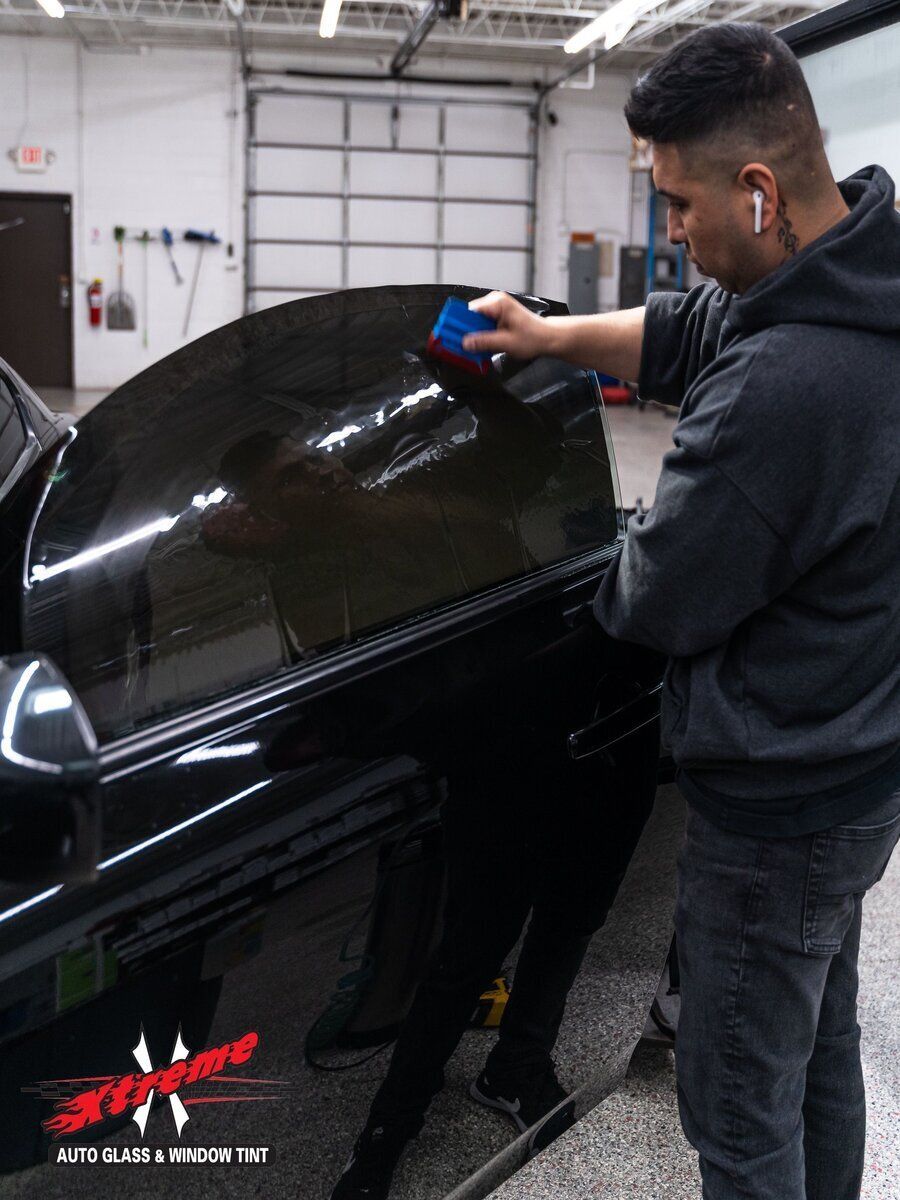
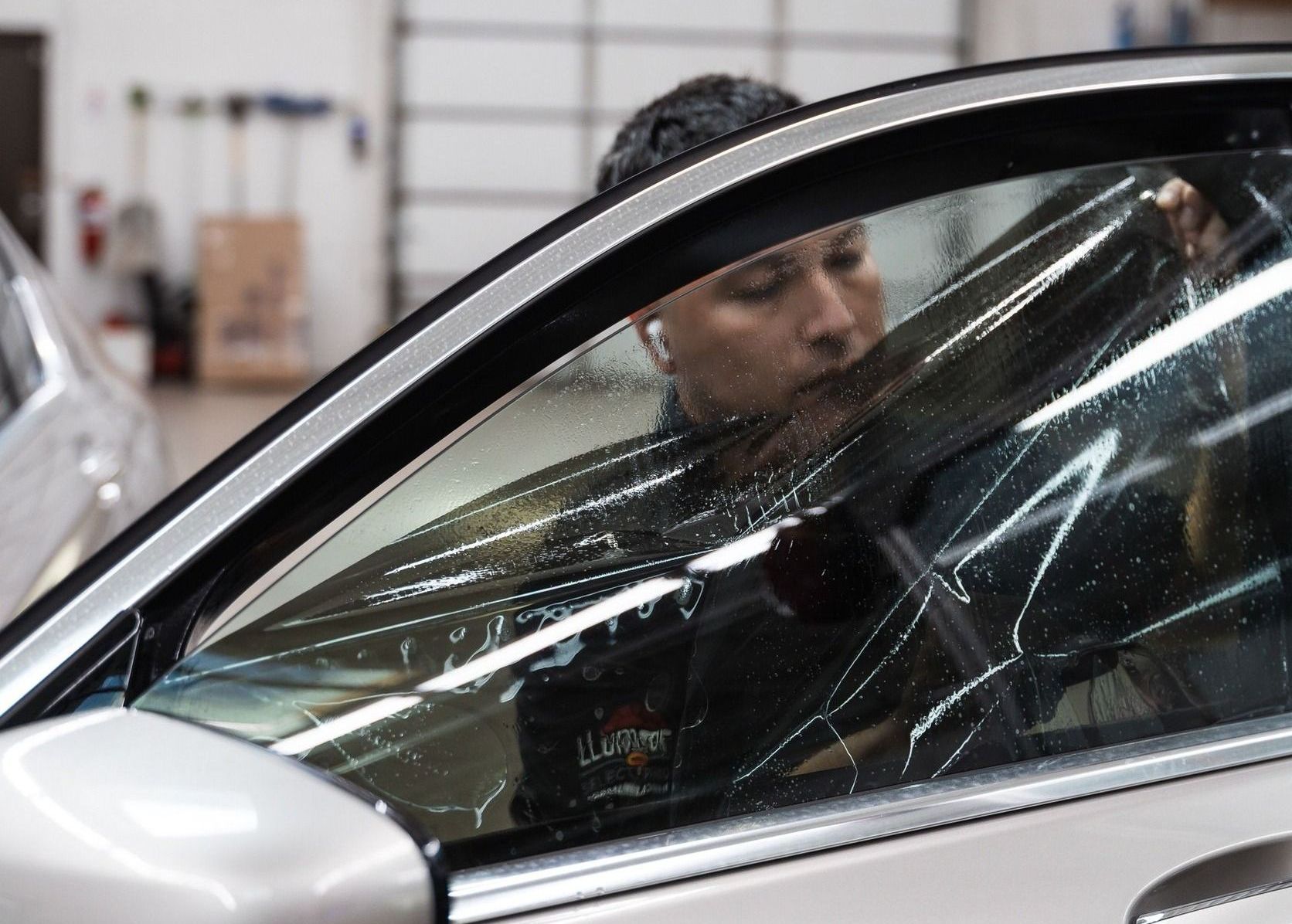
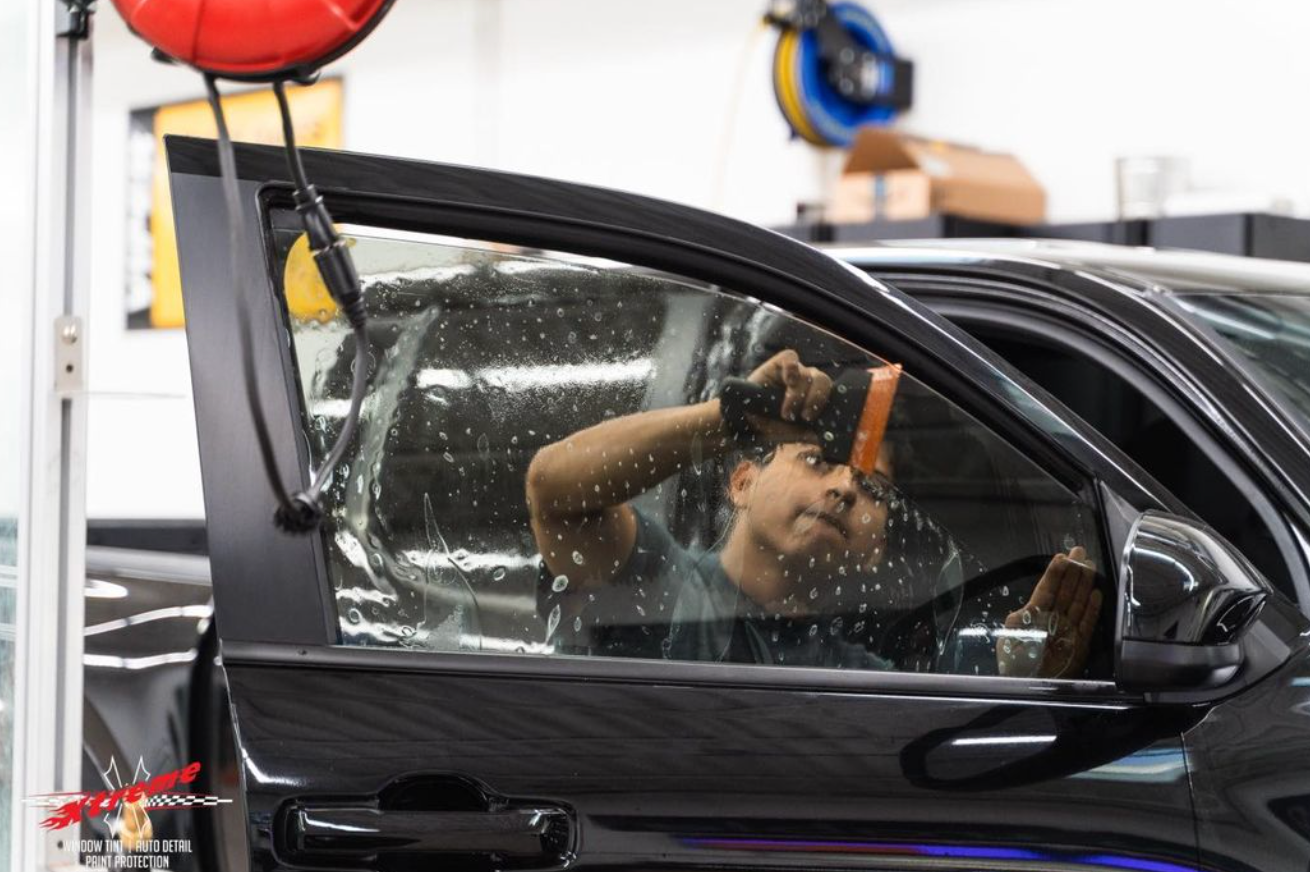
Even the best tint film can fail if installed incorrectly. Professional installation ensures proper adhesion, clean edges, and long-term durability.
At Xtreme Window Tint and Glass in Addison, Illinois, our experienced installers follow manufacturer guidelines and use professional tools to deliver consistent results. Proper installation reduces the risk of bubbling, peeling, and premature failure.
We proudly serve Addison, Glendale Heights, Schaumburg, Wheaton, Glen Ellyn, Elmhurst, Oak Brook, Carol Stream, and surrounding Chicagoland communities with reliable service and transparent pricing.
Protect Your Investment with Quality Window Tint
Cheap window tint may look fine at first, but fading, discoloration, and early failure are common outcomes. Choosing professional-grade ceramic window tint protects your vehicle, enhances comfort, and saves money over time.
If you are noticing purple tint, bubbling, or fading, or if you are considering an upgrade, Xtreme Window Tint and Glass is here to help. Our team in Addison can recommend the right film for your vehicle and driving needs.
Ready to get started?
Contact Xtreme Window Tint and Glass at (630) 626-5125 or visit
xtremewindowtintil.com to request a free quote and professional consultation.
Share with your friends
Xtreme Auto Glass & Window Tint Blog